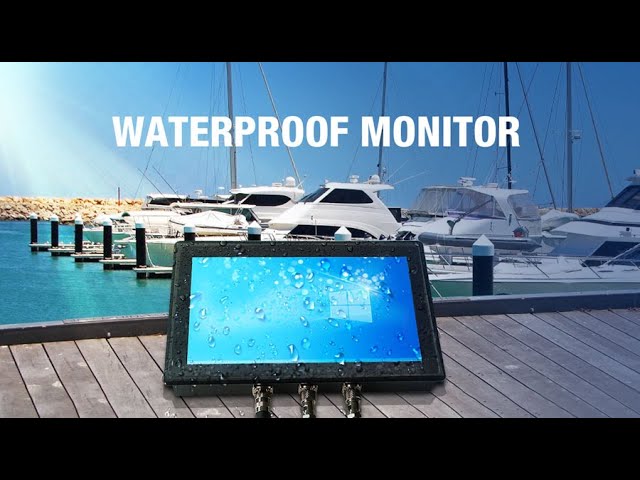
स्मार्ट कपड़े रीसाइक्लिंग डिब्बे ड्रॉप-ऑफ पॉइंट पर सीधे दान निर्देश, संग्रह जानकारी और इंटरैक्टिव फ़ंक्शन प्रदान करने के लिए टचस्क्रीन का उपयोग करते हैं। मॉनिटर को आमतौर पर रीसाइक्लिंग कैबिनेट के सामने या साइड पैनल में स्थापित किया जाता है और बिन नियंत्रक से जोड़ा जाता है।
अनअटेंडेड इंस्टॉलेशन के लिए, टचस्क्रीन को बार-बार सार्वजनिक उपयोग, बदलते तापमान, धूल, नमी और कभी-कभी प्रभाव को संभालने की आवश्यकता होती है। एक एंटी-वैंडल कैपेसिटिव टच मॉनिटर इन बाहरी और अर्ध-बाहरी संग्रह प्रणालियों के लिए एक व्यावहारिक इंटरफ़ेस प्रदान करता है।
1. आवेदन पृष्ठभूमि
कपड़े रीसाइक्लिंग डिब्बे अक्सर उन स्थानों पर स्थापित किए जाते हैं जहाँ लोग बिना किसी कर्मचारी की सहायता के कपड़े छोड़ सकते हैं। टचस्क्रीन उपयोगकर्ताओं को आइटम को संग्रह बिन में रखने से पहले स्पष्ट जानकारी देता है।
विशिष्ट परिनियोजन स्थानों में शामिल हैं:
सुपरमार्केट और शॉपिंग सेंटर कार पार्क, जहाँ डिब्बे दिन भर सुलभ रहते हैं।
आवासीय और नगरपालिका संग्रह बिंदु, जहाँ स्क्रीन दान नियम और बिन की स्थिति प्रदर्शित कर सकती है।
कैंपस और कार्यालय स्थान, जहाँ उपयोगकर्ताओं को सरल निर्देशों या कार्यक्रम की जानकारी की आवश्यकता हो सकती है।
सामुदायिक और चैरिटी संग्रह स्थल, जहाँ इंटरफ़ेस विभिन्न अभियानों या संग्रह कार्यक्रमों का समर्थन कर सकता है।
नियंत्रण प्रणाली के आधार पर, स्क्रीन स्वीकार किए गए कपड़ों के प्रकार, संचालन निर्देश, भाषा विकल्प, संग्रह स्थिति, चैरिटी जानकारी, या उपयोगकर्ता पंजीकरण पृष्ठ प्रदर्शित कर सकती है।
चूंकि डिब्बे कर्मचारियों के पास न होने पर भी स्थापित किए जा सकते हैं, डिस्प्ले उपयोगकर्ता और रीसाइक्लिंग प्रणाली के बीच मुख्य स्थानीय इंटरफ़ेस बन जाता है।
2. समाधान कार्यान्वयन
एंटी-वैंडल कैपेसिटिव टच मॉनिटर को रीसाइक्लिंग बिन कैबिनेट में एक तैयार उद्घाटन में लगाया जाता है। दरवाजे या पैनल के अंदरूनी हिस्से से इंस्टॉलेशन मुख्य डिस्प्ले हार्डवेयर को बाड़े के अंदर रखता है जबकि टचस्क्रीन को सामने से सुलभ छोड़ देता है।
एक फ्रंट IP65 डिज़ाइन उजागर डिस्प्ले सतह को धूल और पानी से बचाने में मदद करता है। टेम्पर्ड ग्लास उन स्थानों के लिए अतिरिक्त सुरक्षा प्रदान करता है जहाँ स्क्रीन को बार-बार छुआ जाता है या आकस्मिक प्रभाव पड़ सकता है।
प्रोजेक्टेड कैपेसिटिव टचस्क्रीन 10-पॉइंट टच तक का समर्थन करता है। उपयोगकर्ता मेनू विकल्प चुन सकते हैं, भाषा बदल सकते हैं, कार्यक्रम की जानकारी दर्ज कर सकते हैं, या सीधे संग्रह बिंदु से ऑन-स्क्रीन निर्देशों का पालन कर सकते हैं।
फुल एचडी 1920 × 1080 डिस्प्ले टेक्स्ट, आइकन, स्टेटस मैसेज और ग्राफिकल निर्देशों के लिए पर्याप्त जगह प्रदान करता है। 400-निट ब्राइटनेस के साथ, मॉनिटर इनडोर क्षेत्रों, भवन प्रवेश द्वारों, ढके हुए कार पार्कों और छायादार बाहरी स्थानों के लिए उपयुक्त है।
नियंत्रण कनेक्शन के लिए, मॉनिटर समर्थन करता है:
HDMI, VGA, और DVI वीडियो इनपुट
टच नियंत्रण के लिए USB कनेक्शन
12 VDC पावर इनपुट
निरंतर 24/7 संचालन
विस्तृत ऑपरेटिंग तापमान रेंज -20°C से 75°C भी उन इंस्टॉलेशन का समर्थन करती है जहाँ रीसाइक्लिंग कैबिनेट मौसमी तापमान परिवर्तन के संपर्क में आता है।
टच मॉनिटर बिन के मौजूदा नियंत्रण बोर्ड या एम्बेडेड कंप्यूटर के साथ काम करता है। फिल-लेवल सेंसर, स्कैनर, नेटवर्क मॉड्यूल, या पहचान हार्डवेयर जैसे अन्य डिवाइस मुख्य नियंत्रण प्रणाली से जुड़े रहते हैं।
उदाहरण के लिए, जब एक फिल-लेवल सेंसर रिपोर्ट करता है कि कंटेनर भरा हुआ है, तो नियंत्रक टचस्क्रीन पर एक फुल-बिन संदेश भेज सकता है। जब सिस्टम बैकएंड प्लेटफॉर्म से जुड़ा होता है तो वही इंटरफ़ेस अपडेटेड संग्रह निर्देशों या कार्यक्रम की जानकारी भी प्रदर्शित कर सकता है।
3. परियोजना लाभ
संग्रह कैबिनेट में टचस्क्रीन को एकीकृत करने के साथ, रीसाइक्लिंग बिन विभिन्न अनअटेंडेड स्थानों पर एक सुसंगत इंटरफ़ेस प्रदान कर सकता है।
बिन निर्माताओं और ऑपरेटरों के लिए, मुख्य परियोजना लाभों में शामिल हैं:
स्पष्ट उपयोगकर्ता मार्गदर्शन:दान चरण, स्वीकार्य वस्तुएं, और संग्रह जानकारी सीधे बिन पर प्रदर्शित की जा सकती है।
सार्वजनिक प्रतिष्ठानों के लिए सुरक्षा:टेम्पर्ड ग्लास और फ्रंट IP65 डिज़ाइन उजागर या अर्ध-उजागर संग्रह बिंदुओं का समर्थन करते हैं।
सरल नियंत्रक एकीकरण:HDMI, VGA, DVI, और USB मॉनिटर को विभिन्न नियंत्रण प्लेटफार्मों के साथ संगत बनाते हैं।
लचीला इंटरफ़ेस सामग्री:स्क्रीन बहुभाषी निर्देशों, स्थिति संदेशों, पंजीकरण पृष्ठों और अभियान जानकारी का समर्थन कर सकती है।
कैबिनेट-अनुकूल स्थापना:पैनल माउंटिंग डिस्प्ले को रीसाइक्लिंग बिन बाड़े में एकीकृत करने की अनुमति देता है बिना अनावश्यक बाहरी स्थान लिए।
कई संग्रह बिंदुओं का प्रबंधन करने वाले ऑपरेटरों के लिए, विभिन्न बिन स्थानों पर एक ही टचस्क्रीन लेआउट का भी उपयोग किया जा सकता है, जिससे उपयोगकर्ता इंटरफ़ेस को मानकीकृत करना आसान हो जाता है।
4. ग्राहक प्रशंसापत्र
“हमारे बिन बाड़े में मॉनिटर स्थापित करना आसान था। टच प्रतिक्रिया तेज है, और हम जो निर्देश प्रदर्शित करते हैं उसके लिए स्क्रीन स्पष्ट है। HDMI और USB ने हमारे द्वारा पहले से उपयोग किए जा रहे नियंत्रक के साथ कनेक्ट करना भी सीधा बना दिया।”
— — अपशिष्ट और कपड़ा रीसाइक्लिंग कियोस्क इंटीग्रेटर, ईयू से
एंटी-वैंडल कैपेसिटिव टच मॉनिटर खुदरा क्षेत्रों, आवासीय संग्रह बिंदुओं, परिसरों और सामुदायिक स्थानों में उपयोग किए जाने वाले अनअटेंडेड कपड़े रीसाइक्लिंग डिब्बे के लिए एक व्यावहारिक उपयोगकर्ता इंटरफ़ेस प्रदान करते हैं।
डिज़ाइन चरण के दौरान मॉनिटर को कैबिनेट ओपनिंग, कंट्रोलर इंटरफेस, पावर सप्लाई और इंस्टॉलेशन एनवायरनमेंट से मिलान करके, बिन निर्माता विभिन्न संग्रह साइटों के लिए एक सरल और सुसंगत टचस्क्रीन इंटरफ़ेस बना सकते हैं।



 english
 français
 Deutsch
 Italiano
 Русский
 Español
 português
 Nederlandse
 ελληνικά
 日本語
日本語
 한국
한국
 العربية
 हिन्दी
 Türkçe
 indonesia
 tiếng Việt
 ไทย
ไทย
 বাংলা
বাংলা
 فارسی
فارسی
 polski